ALBORITHM | GREAT BOOKS
Books That Shaped the World
The world’s most influential books, explained through original research, visual storytelling and multilingual conversations.
Explore the authors, historical circumstances and lasting arguments behind works that changed how humanity understands markets, power, society, science and itself. The books remain the work of their original authors; ALBORITHM provides independent interpretation.
Opening selection
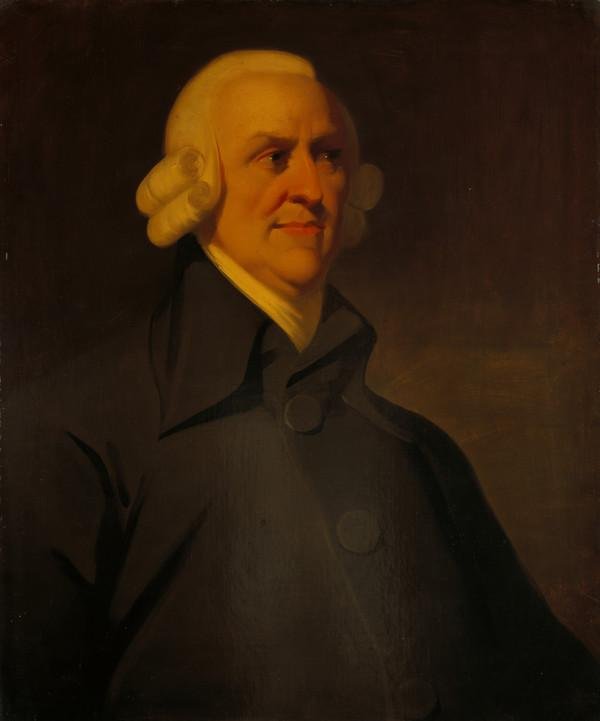
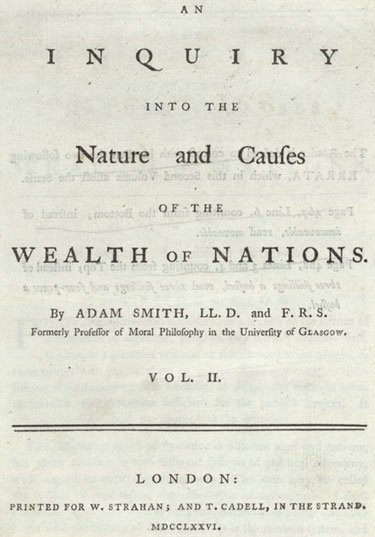
A book that changed the language of prosperity
Our inaugural analysis examines the work that connected labour, production, trade, competition and public institutions in an argument that still provokes debate.
ALBORITHM | GREAT BOOKS | ISSUE 001
The Wealth of Nations
Smith asked a question that remains central to economic life: why do some societies become productive and prosperous, while others struggle to increase their material well-being? His answer runs through the division of labour, the size of markets, capital, shipping, monopoly power, justice and the proper responsibilities of public authority.
Our published analysis examines all five books and separates Smith’s original arguments from the simplified claims often attributed to him. Explore the English video explainer and Deep Dive conversations in English, Hindi and Bengali.
Our editorial promise
Original authors. Enduring ideas. Independent interpretation.
These are not books written by ALBORITHM, nor automated verbatim audiobooks. Each edition is an independent, source-grounded examination of a classic work.
01 / CONTEXT
Meet the author and the world behind the book
Understand what motivated the work, the political and intellectual debates around its publication, and the realities its author encountered.
02 / INTERPRETATION
Follow the arguments, not just the quotations
Examine the central ideas, limitations, competing interpretations and consequences, with citations to original texts and reliable scholarship.
03 / CONNECTION
Connect the classics with the modern world
Discover how centuries-old arguments still inform policy, economics, geopolitics, technology, public institutions and social life.
Inside an ALBORITHM edition
One original book. Five connected ways to learn.
Every completed edition has one canonical research article and four companion programmes. The article brings every verified media link together on a single page.
A comprehensive English video explainer
Three in-depth audio conversations in English, Hindi and Bengali
One rigorously sourced English editorial feature with four professional media links
A practical reading guide
How to explore a great book
The best way into a difficult classic is not to replace the author’s work, but to understand it well enough to read with confidence.
- Begin with the context. Learn who wrote the book, when it appeared, and which questions it was trying to answer.
- Follow the original argument. Work through the analysis and, when an edition is released, its video and language-specific conversations.
- Return to the source. Read the original text or a verified lawful edition and compare the author’s position with later interpretations.
Who wrote these books?
The works featured here belong to their original authors, including thinkers whose writing shaped economics, history, philosophy, science and literature. ALBORITHM authors the independent companion analysis.
Are these complete audiobooks?
No. The audio programmes are original discussions of the books, and the videos are interpretive explainers. Neither replaces a complete text.
Where can I read the original?
Where rights permit, the accompanying analysis identifies an edition and links to a reliable source. Translations and modern editorial material are checked separately.
Publication archive
Published book analyses
The collection below is arranged newest first and updates automatically whenever an approved Great Books edition is published.
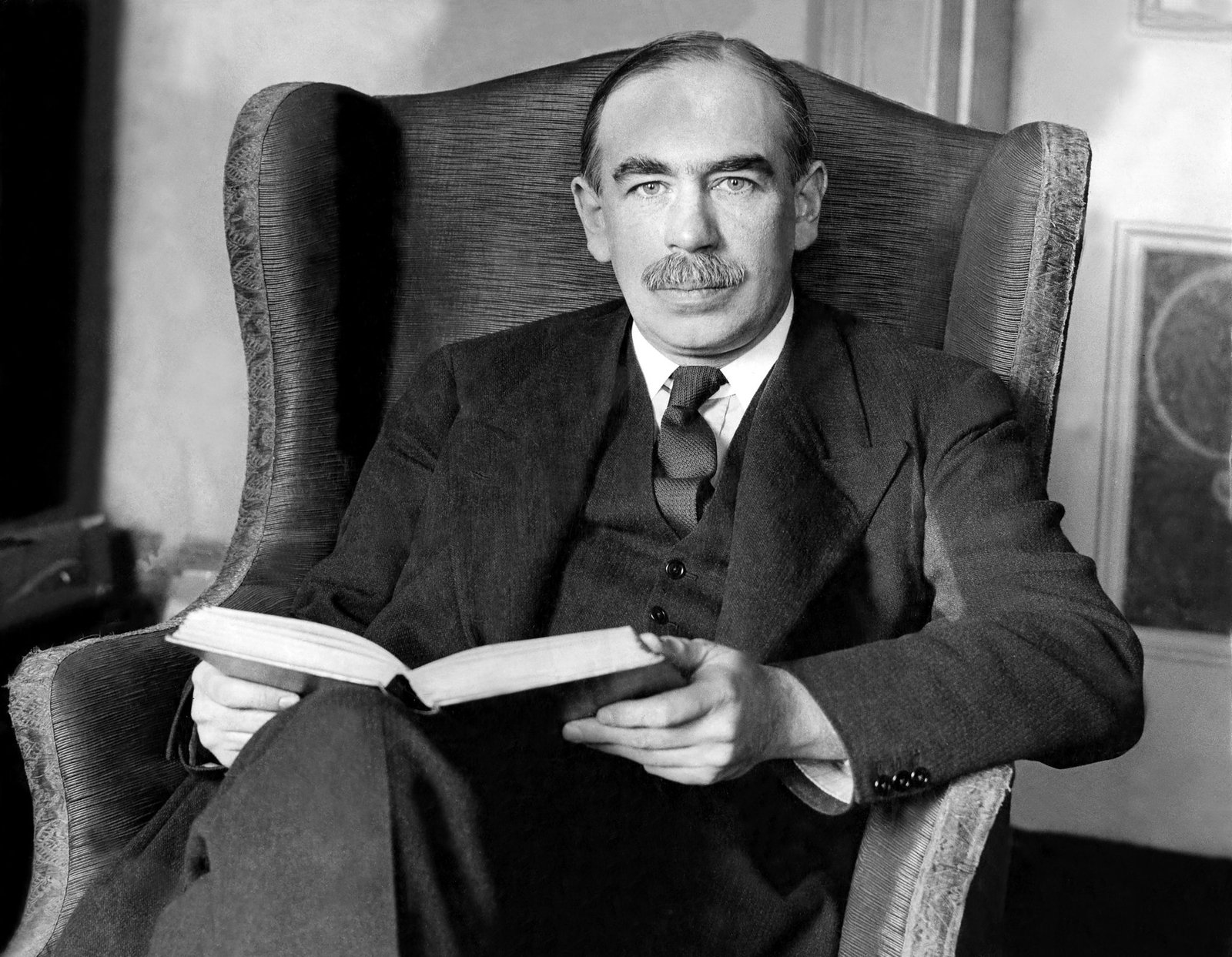
A Treatise on Money: The Book That Tried to Explain How Money Controls the Economy
Why can a productive economy fall into crisis? Explore John Maynard Keynes’s 1930 A Treatise on Money, its arguments about bank credit, saving, investment and monetary instability, and…
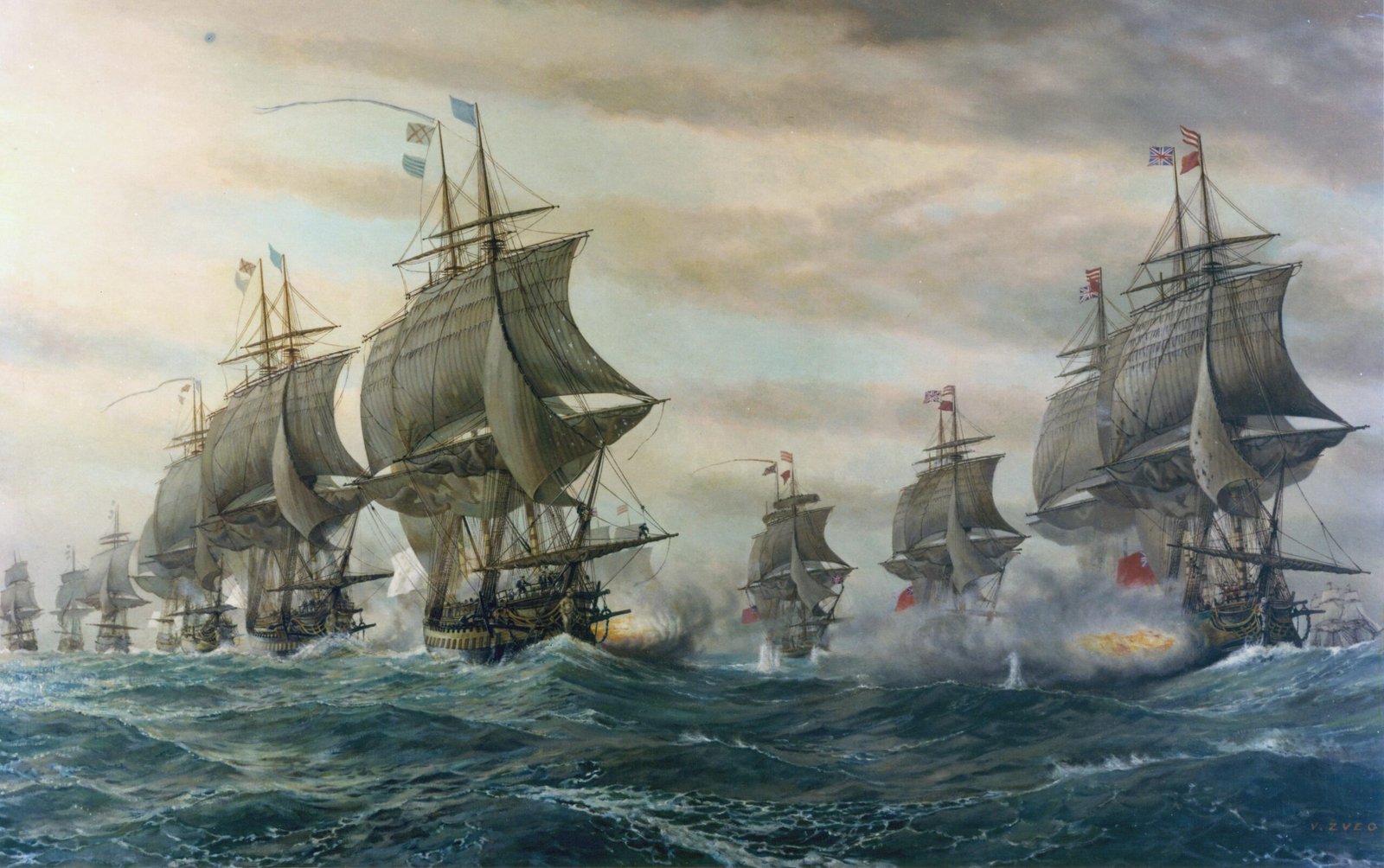
The Influence of Sea Power upon History: How Oceans Shaped World Power
A battle off Chesapeake Bay helped decide a revolution. Explore how The Influence of Sea Power upon History (1890) connected merchant shipping, naval power, empire and world trade,…
The Wealth of Nations: Adam Smith and the Ideas That Shaped the Modern Economy
An original ALBORITHM analysis of Adam Smith’s The Wealth of Nations (1776), its five books, the division of labour, shipping, markets, government, empire and its enduring relevance to…
The voyage continues
Stay close to the next great idea.
Follow ALBORITHM’s research, explainers and new publication releases. Each completed Great Books article connects the original analysis with its companion media.